Thinking about moving to Gadsden? You’re not alone. Many people are drawn to its river views, historic downtown, and friendly pace of life. If you’re weighing a move, you likely want clear answers about housing, schools, commutes, and day‑to‑day living. This guide gives you a practical overview, trusted resources to verify details, and a smooth plan for getting settled. Let’s dive in.
Why Gadsden appeals to newcomers
Gadsden sits on the Coosa River in northeastern Alabama and serves as the hub for Etowah County. You get a small‑to‑mid‑sized city feel with access to parks, a revitalizing downtown core, and regional employers in healthcare, manufacturing, education, and local government. Weekends can be as simple as walking riverfront trails, enjoying local events, or exploring a major waterfall park inside the city limits.
If you’re relocating for work or lifestyle, the balance of outdoor recreation, local amenities, and a calmer pace is a strong fit for many buyers and renters.
Housing overview and neighborhoods
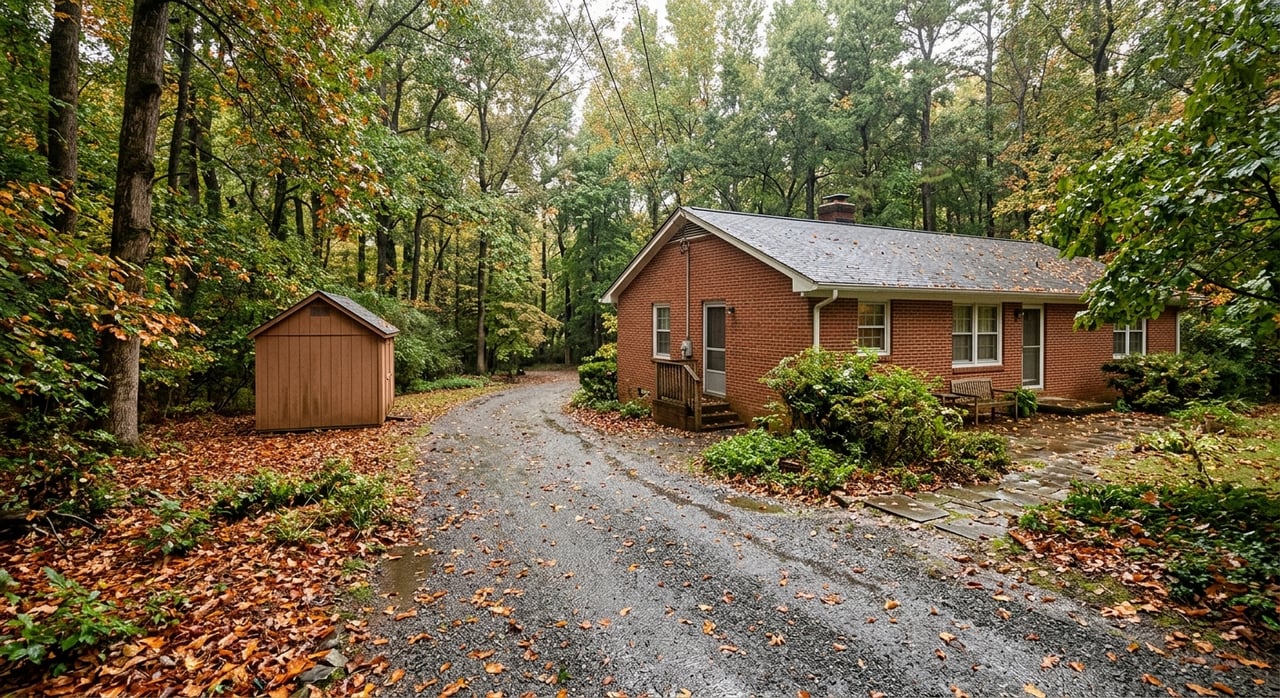
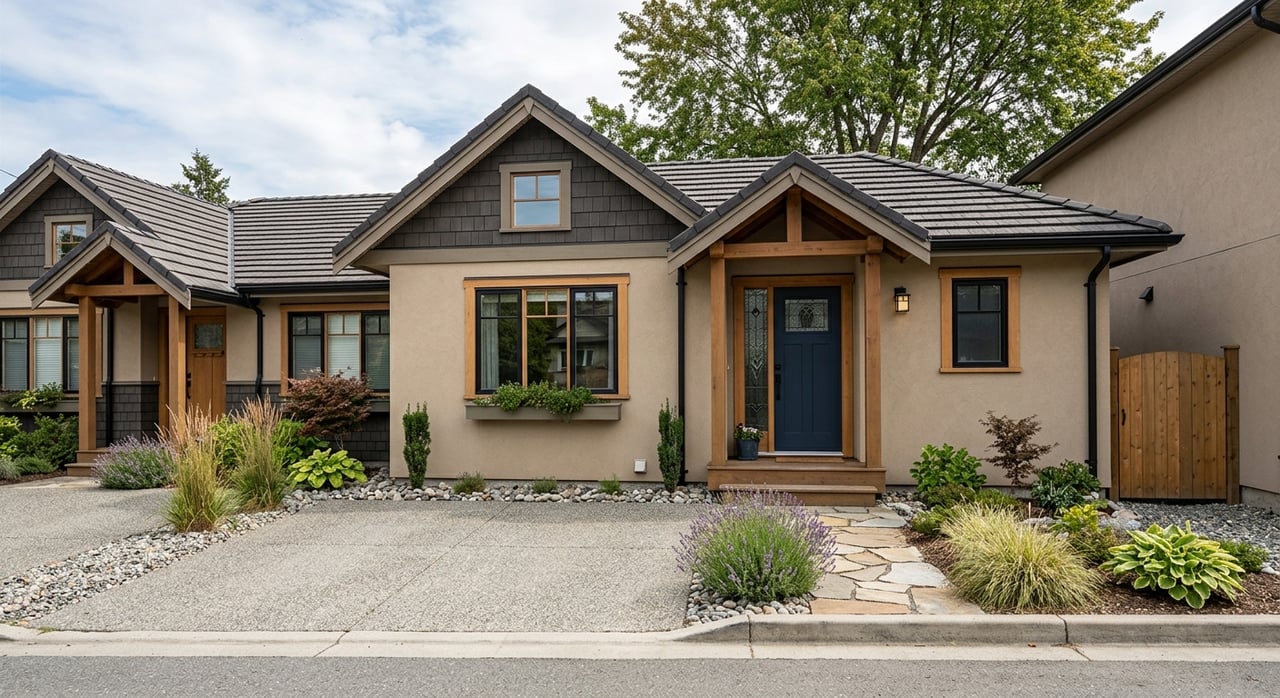
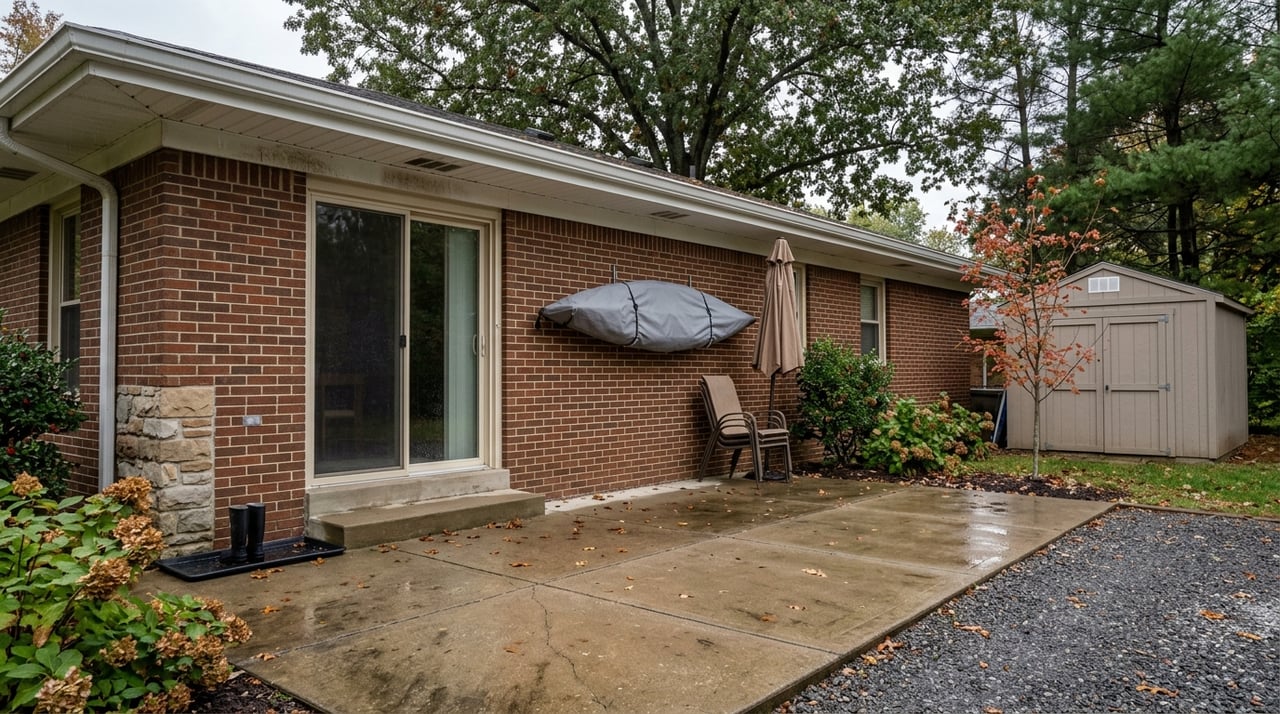
You’ll find a range of housing options:
- Single‑family homes across many eras, from historic bungalows and mid‑century homes to newer subdivisions.
- Apartments and townhomes, including some loft‑style residences in and near the historic core.
- Manufactured homes and acreage properties across Etowah County for those who want space or rural settings.
Common neighborhood types include:
- Downtown and riverfront areas close to restaurants, parks, and cultural venues.
- Older established neighborhoods with mature trees and character homes.
- Newer subdivisions with yards and community amenities.
- Rural county settings with room for hobbies, small farms, or workshops.
What to verify before you buy or rent:
- Pricing and availability. Smaller markets can fluctuate seasonally. Your best bet is to review current MLS data and active inventory with a local expert to confirm price bands, days on market, and rental options.
- Flood risk. Properties near the Coosa River may sit in mapped flood zones. Always check parcel‑specific risk using the FEMA Flood Map Service Center and discuss required flood insurance with your insurer.
- Taxes and insurance. Etowah County property taxes are assessed based on millage rates, and homeowners insurance can vary by home age, condition, and location. Confirm current numbers with the county tax assessor and your insurance provider.
Helpful links:
- Check flood zones: FEMA Flood Map Service Center
Cost of living and household budget
Gadsden’s overall cost of living is often lower than large metro areas, especially for housing. Still, it pays to build a realistic monthly budget. Plan for:
- Mortgage or rent, plus taxes and insurance.
- Utilities for electric, water, sewer, garbage, and possibly natural gas. Service areas and rates differ in city versus rural settings.
- Transportation costs, since most residents drive.
- Seasonal energy usage in a humid subtropical climate.
Taxes and fees to confirm:
- Sales tax. Alabama has a state sales tax and allows additional county and municipal rates. Verify the current combined rate for purchases in Gadsden through the Alabama Department of Revenue.
- Property tax. Contact the Etowah County tax assessor for millage rates and estimated annual bills for specific properties.
- Insurance. If a property is in a floodplain, flood insurance may be required by your lender. Your insurance agent can quote both homeowners and flood policies.
Getting around: roads, commutes, and airports
Most daily travel in Gadsden happens by car. Major state and U.S. highways connect the city to surrounding communities and to larger metros for work, specialized medical care, and regional flights. If you’re commuting or planning frequent trips, map your routes at typical rush times and note school traffic patterns.
- Driving to regional hubs. Many residents travel toward Birmingham for work or flights. Travel times vary with traffic and route, so test your drive during the hours you expect to commute.
- Transit and walkability. Public transit is limited in many smaller Alabama cities, and most neighborhoods are car‑dependent. If you prefer a more walkable lifestyle, focus your home search near the historic core and daily amenities, and confirm local transit options with the city.
- Airports. Regional travelers often use major airports in larger Alabama cities. Check drive times from your preferred neighborhood before you decide.
Helpful link:
- Alabama route maps and projects: Alabama Department of Transportation
Schools and higher education
Public schools are served by two districts:
- Gadsden City Schools serves most in‑city addresses. Verify your assigned schools using district boundary tools or by contacting the district directly.
- Etowah County Schools serves many surrounding communities across the county. Always confirm zoning for a specific address, since boundaries can change.
For objective school information, review state report cards, graduation rates, and available programs through the state education department. Consider visiting campuses and speaking with administrators to understand offerings like career and technical programs, arts, and athletics.
Higher education is close at hand. Gadsden State Community College offers academic transfer pathways, technical training, and continuing education. It’s a good resource if you’re upskilling for local employment or exploring dual‑enrollment options.
Helpful links:
- State school data and report cards: Alabama Department of Education via your district’s resources
- Local higher education: Gadsden State Community College
Healthcare and essential services
Gadsden has local hospitals and clinics for primary and emergency care. For certain specialty services, some residents travel to larger metro hospitals. When you plan your move, identify nearby urgent care, primary care providers, and pharmacies.
Other essentials to line up:
- Childcare and eldercare providers. Confirm licensing, availability, and waitlists early.
- Public safety. Review city information for police, fire, and emergency response.
- Libraries and local offices. Note library branches, post offices, and vehicle services.
Helpful link:
- Facility and health guidance: Alabama Department of Public Health
Recreation, culture, and everyday life
If you love being outdoors, the Coosa River is the city’s signature feature. You can enjoy boating, fishing, and scenic riverfront trails. The city also maintains parks, sports fields, and a well‑known waterfall park with hiking and family‑friendly facilities.
Arts and community events pop up throughout the year, especially around the historic downtown. You’ll find local restaurants, coffee shops, boutiques, and seasonal festivals. Grocery stores and larger shopping options are within a short drive from most neighborhoods.
For water quality updates and responsible river recreation, look for updates from regional river and conservation organizations. City parks and recreation pages and the local tourism office are also useful for event calendars and facility rentals.
Local economy and jobs
Gadsden’s economy typically centers on healthcare, education, manufacturing, retail, and government. Many residents work in the city, while others commute across the region. If you’re relocating for a career move, check local employer listings and regional postings, and weigh commute corridors when you choose a neighborhood.
For a high‑level view of labor trends and unemployment data, use federal resources and then drill down with local job boards and employer sites.
Helpful link:
- Regional unemployment and labor data: Bureau of Labor Statistics LAUS
Practical relocation checklist
Use this step‑by‑step list to keep your move on track:
- Six to eight weeks out
- Clarify budget and pre‑approval. If buying, get pre‑approved so you can act quickly when you find the right home.
- Research neighborhoods. Compare access to schools, parks, and your commute. Ask about seasonal market shifts and current inventory.
- Verify school zoning and enrollment steps. If you have students, confirm documents and deadlines with your district.
- Four weeks out
- Utilities setup. Contact providers for electric, water, sewer, garbage, gas, and internet. In rural areas, confirm well, septic, or propane service and inspection requirements.
- Insurance quotes. Obtain homeowners, flood (if required), and auto insurance quotes for your new address.
- Movers and storage. Book licensed movers or reserve a truck. Ask about coverage and cancellation policies.
- Two weeks out
- Address changes. Update mail forwarding, banking, subscriptions, and workplace HR records.
- DMV/driver’s license. Review Alabama requirements for driver’s licenses and vehicle registration, and set appointments where available via the Alabama Law Enforcement Agency.
- Permits and inspections. If you’re planning projects, ask the city or county about building permits. Rural properties may require septic inspections or well tests.
- Move‑in week
- Final walk‑through and utilities on. Confirm power, water, gas, and internet are active by move‑in day.
- Safety check. Test smoke and carbon monoxide detectors, locate water and gas shut‑offs, and review local emergency numbers.
- After you settle
- Voter registration and local services. Register to vote and explore parks, libraries, and community programs.
- Explore healthcare and childcare options. Establish care with providers and get on waitlists if needed.
How a local guide helps
Every move has tradeoffs. In Gadsden, the right fit comes from balancing your budget, lifestyle, commute, and school needs with the specifics of each neighborhood and property. A local, hands‑on agent can help you interpret flood maps, compare utility and tax impacts by area, and spot value in homes that match your goals. When the market moves, you’ll want someone responsive who can coordinate tours, inspections, and negotiations with confidence.
Ready to make a smooth move to Gadsden? Reach out to Bailey Mack for local insight, clear guidance, and a plan that fits your timeline.
FAQs
Is Gadsden affordable compared to bigger Alabama metros?
- Housing costs are often lower than larger metro areas, but prices vary by neighborhood and season. Compare current listings with MLS data and confirm your total monthly costs, including taxes and insurance.
What should I know about flood risk near the Coosa River?
- Some river‑adjacent properties fall within FEMA‑mapped flood zones. Check parcel‑specific risk on the FEMA Flood Map Service Center and talk with your insurer about required coverage.
How long is the typical commute for Gadsden residents?
- Commute times depend on your neighborhood and destination. Many residents drive to work, including trips toward Birmingham. Test your route during your expected commute hours for a realistic baseline.
Which public school district will serve my address?
- Addresses inside the city are typically served by Gadsden City Schools, while surrounding areas attend Etowah County Schools. Always confirm zoning directly with the district before you sign a lease or contract.
Are there hospitals and specialists nearby?
- Gadsden has hospitals and clinics for primary and emergency care. For some specialties, residents may travel to larger metro hospitals. Use the Alabama Department of Public Health to locate providers and resources.
What taxes should I plan for when I move?
- Budget for Alabama’s combined state, county, and city sales tax on purchases and for Etowah County property taxes if you buy. Verify rates through the Alabama Department of Revenue and the county tax assessor.
How can I learn about job trends in Etowah County?
- Review regional unemployment and industry data from the Bureau of Labor Statistics LAUS and follow up with local employer listings to see active openings.