Thinking about moving in Rainbow City but not sure which part of town fits your daily life? That is a common challenge here, because Rainbow City is not defined by one compact downtown or a short list of widely recognized neighborhoods. Instead, it makes more sense to think about the city in lifestyle pockets, from the river-facing areas to the busy central corridor to the quieter outer edges. If you want a clearer picture of how each area feels and what that could mean for your home search, you are in the right place. Let’s dive in.
How Rainbow City Is Organized
Rainbow City is shaped more by roads, access, and the Coosa River than by a single central core. Public city information points to Rainbow Drive, also known as US-411, running through the middle of town, with I-59 and SR-77 also helping define how people move through the area.
That layout gives Rainbow City a practical, spread-out feel. You will notice pockets that lean more toward recreation near the river, convenience in the central corridor, and a more residential rhythm on the edges.
River Areas Offer Recreation
If you are drawn to open views, water access, and outdoor time, the river-adjacent parts of Rainbow City may stand out first. Common pockets tied to that lifestyle include Lakeshore, East Grand Avenue toward the river, Whorton Bend, Watson Road, Hood Road, Township, Lister Ferry Road, and Riverton Drive.
These areas connect closely to one of the city’s most visible outdoor amenities, Rainbow Landing. According to the city, Rainbow Landing includes two stationary docks, one boat-launch lane, parking for 30 trailers, pavilions, and restrooms along the Coosa River.
That kind of setup makes the river side of town feel especially appealing if you enjoy boating, fishing, or simply being near the water. City survey results also show that connection to the Coosa River is one of the top things residents like about living in Rainbow City.
What The River Pocket Feels Like
Compared with the main retail corridors, the river-oriented areas tend to feel more scenic and activity-focused. The city’s own planning and parks information supports that general picture, even if these are not formal neighborhood labels.
For many buyers, this part of Rainbow City offers a different pace. You may trade some immediate retail access for outdoor recreation, more open surroundings, and a stronger connection to the river landscape.
Flood Review Matters Near Water
The riverfront also comes with an important practical consideration. Rainbow City’s zoning ordinance includes an FHZ Flood Hazard Zone District that is intended to reduce losses due to flood conditions.
That does not mean river-adjacent property cannot be appealing. It simply means you should approach these homes with extra care, ask the right questions, and review flood-related details closely as part of your search.
Central Corridor Brings Convenience
If your priority is being closer to everyday errands, parks, and key roads, the in-town core is likely the most convenient part of Rainbow City. The city’s transportation plan identifies the US-411 and SR-77 intersection as the focal point of the city, with retail and restaurants around it.
This general core includes Rainbow Drive, SR-77, West Grand Avenue, Sutton Bridge Road, Airport Road, and the commercial area around the US-411 and SR-77 node. It is the part of town where many people handle day-to-day routines.
Where Civic Life Shows Up
The central corridor is not only about shopping and traffic flow. It is also where you find several visible community spaces.
Rainbow City Park sits on Rainbow Drive and includes a playground, walking trail, pavilions, pickleball courts, ample parking, and an air-conditioned building. The Community Center is also on Rainbow Drive, which adds to the sense that this area serves as one of the city’s main gathering zones.
What To Expect Day To Day
For many buyers, this part of Rainbow City feels practical and easy to use. You are closer to major roads and common stops, which can simplify errands and regular routines.
At the same time, the city’s planning documents note that peak-hour congestion is concentrated around US-411 and SR-77. Residents have also identified traffic issues and road improvements as common concerns in this central system, so convenience can come with a busier driving environment.
Outer Edges Feel More Residential
If you prefer a quieter setting and a more low-intensity feel, the outer pockets of Rainbow City may be the best fit. City route and planning information points to areas such as Druid Park, Seven Oaks, Pleasant Valley Road, Canoe Creek Road, Steele Station Road, and the Riddles Bend side of town as part of the broader edge areas.
Rainbow City’s planning direction also supports this read of the market. The city emphasizes maintaining small-town character and focusing future growth along the riverfront, downtown, and SR-77 rather than spreading it everywhere.
Why These Areas Appeal To Buyers
That planning pattern helps explain why the edges often feel more residential than commercial. If you want a home search focused more on everyday living than on being in the middle of traffic and retail activity, these pockets may be worth a closer look.
For buyers comparing options, this can be the part of Rainbow City that feels more relaxed. You may still have access to parks and main roads, but the overall environment often reads as less intense than the central corridor.
A Recreation Anchor On The Edge
Vivian Lee Maddox Park adds an outdoor draw to this side of town. The city says the park includes more than 3 miles of paved trails, a 0.8-mile inner loop, a 1.8-mile outer loop, a disc-golf course, and a small lake with picnic space.
That gives the outer edge areas a useful middle ground. You can enjoy recreational space nearby without being in one of the city’s more commercially active zones.
Housing Mix Across Rainbow City
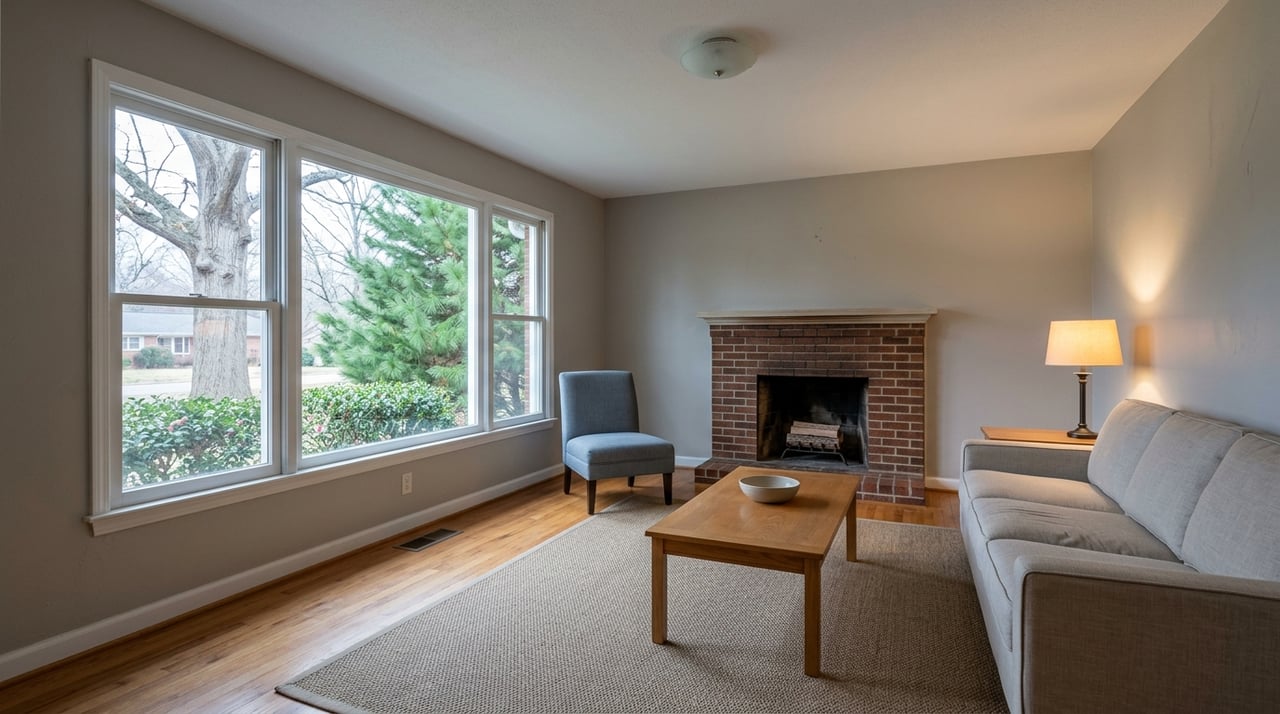
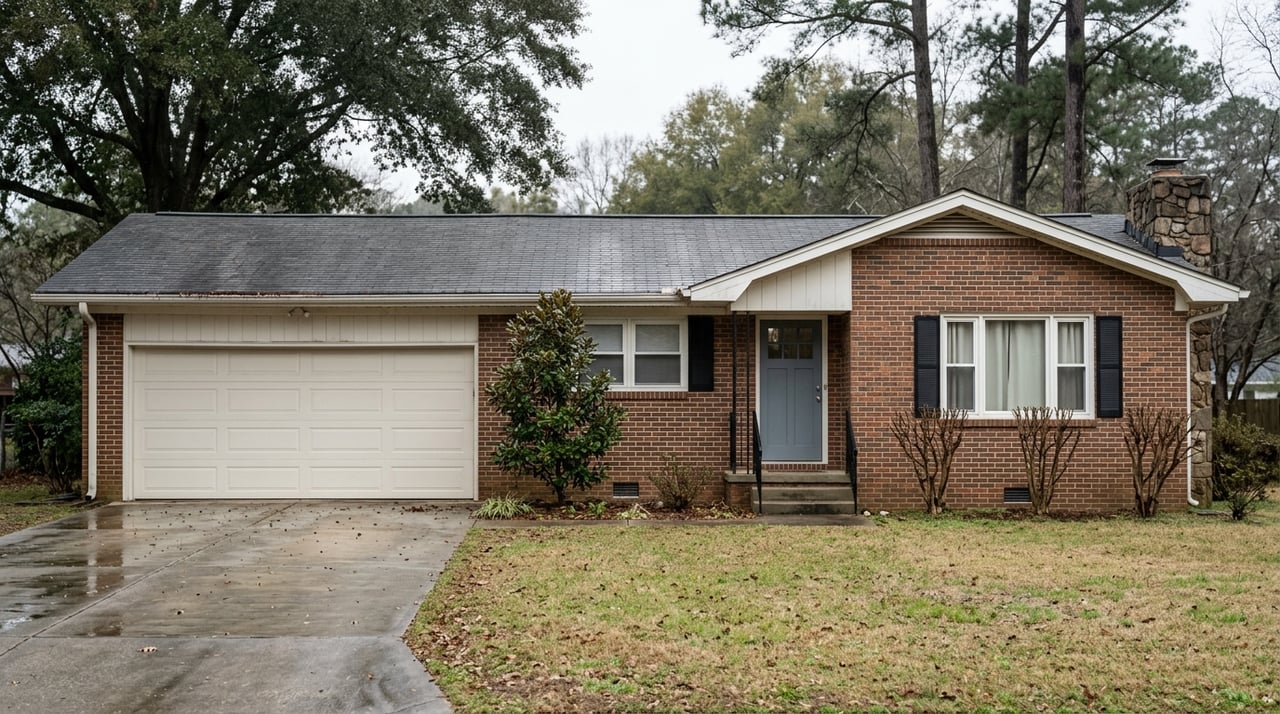
One reason Rainbow City appeals to a wide range of buyers is that it is not limited to one type of housing. The city’s zoning ordinance includes single-family residential, patio home and townhouse, multifamily, manufactured home park, neighborhood shopping, highway commercial, manufacturing, planned unit development, and flood hazard overlay districts.
That broad zoning picture helps explain why the city feels mostly residential while still supporting commercial corridors and some denser housing pockets. It also means your options may vary depending on where in town you are looking.
The city’s 2022 economic and real estate market study says about 69% of homes are single-family detached. So while Rainbow City offers some variety, detached homes still make up the majority of the housing stock.
Commute And Travel Expectations
Rainbow City offers strong road access for a city of its size. The transportation plan says the city has direct access to I-59 for regional mobility, while US-411 and SR-77 act as the main local travel spine.
For many buyers, that road network is a major plus. It supports local errands, work commutes, and travel to nearby areas in Etowah County and beyond.
A Car-Based Daily Pattern
It is also helpful to know that daily movement in Rainbow City is still largely car-based. The city’s planning documents say pedestrian and bicycle infrastructure is limited and mostly concentrated in city parks.
That means your home choice may be shaped in part by how often you expect to drive. If easy access to major roads matters most, the corridor may suit you well. If you do not mind a slightly longer drive in exchange for a quieter setting, the outer or river pockets may be more appealing.
How To Choose The Right Pocket
The best part of Rainbow City depends on what you want your routine to look like. Instead of asking which area is best overall, it is usually smarter to ask which area best matches your priorities.
Here is a simple way to think about it:
- Choose river-adjacent areas if you want water access, outdoor recreation, and a more scenic setting.
- Choose the central corridor if convenience, parks, and access to major roads are your top priorities.
- Choose the outer edges if you want a more residential feel and a quieter day-to-day environment.
This lifestyle-first approach is often the clearest way to compare Rainbow City. The city’s own planning language supports that framework, with a strong emphasis on river access, corridor convenience, and preserving small-town character.
If you want help narrowing down which part of Rainbow City fits your goals, working with a local agent who knows how these pockets function in real life can save you time and help you search more confidently. When you are ready to talk through neighborhoods, home styles, or your next move in Rainbow City, connect with Bailey Mack.
FAQs
What are the main neighborhood styles in Rainbow City?
- Rainbow City is easiest to understand in three broad lifestyle pockets: river-adjacent areas, the US-411 and SR-77 central corridor, and quieter outer-edge residential areas.
What is the most convenient part of Rainbow City for daily errands?
- The central corridor around US-411, SR-77, Rainbow Drive, West Grand Avenue, Sutton Bridge Road, and Airport Road is generally the city’s most convenience-oriented area.
Which part of Rainbow City is best for river access?
- River-adjacent pockets such as Lakeshore and areas stretching toward the Coosa River offer the strongest connection to water access and outdoor recreation, especially near Rainbow Landing.
What should buyers know about flood concerns in Rainbow City?
- Buyers looking near the river should know the city has a Flood Hazard Zone District, so it is wise to review flood-related details carefully when considering river-adjacent property.
What kind of homes are common in Rainbow City?
- Rainbow City has a mix of housing types, but about 69% of homes are single-family detached according to the city’s 2022 economic and real estate market study.
Is Rainbow City easy to get around without a car?
- Rainbow City is largely car-based for everyday travel, with limited pedestrian and bicycle infrastructure outside of city park areas.