Buying your first home can feel exciting and overwhelming at the same time, especially when you are trying to make smart choices in a market you may still be learning. If you are planning to buy in Rainbow City, you want clear steps, realistic price expectations, and a better sense of what happens from preapproval to closing day. This guide walks you through the process in plain language so you can move forward with more confidence. Let’s dive in.
Understand the Rainbow City market
Before you start touring homes, it helps to know what the local market looks like. Recent data shows Rainbow City home values around $247,349, while recent median sale pricing has been closer to $307,900. Since those figures measure different things, the smartest way to view them is as a range rather than one exact number.
For many first-time buyers, that means looking at homes roughly in the low-$200,000s to low-$300,000s. Current public examples include a 2-bedroom, 2-bath home listed at $204,900 and a 3-bedroom, 2-bath home listed at $200,000. That gives you a practical starting point when you build your budget.
Rainbow City is also somewhat competitive. Some homes receive multiple offers, about 25.0% of homes sold above list price in the reported period, and 43.5% had price drops. In other words, you may need to move quickly on a well-priced home, but there can still be room for negotiation in some situations.
Step 1: Get preapproved first
Your first real step is getting preapproved, which means a lender reviews your financial picture and gives you a tentative estimate of what you may be able to borrow. Sellers often want to see a preapproval letter before they accept an offer. It shows you are serious and helps you shop in the right price range.
A preapproval is not a guaranteed loan. It is an early review based on your income, assets, debts, payment history, and credit information. Preapproval letters also commonly expire in 30 to 60 days, so timing matters.
Before you apply, check your credit and review your monthly spending. Looking at your own credit does not hurt your score. This is also the time to avoid new debt, like a car loan, large credit card purchases, or new credit card applications, because those moves can affect your loan terms.
Questions to ask your lender early
As you compare financing options, keep your questions simple and practical. Focus on what you will actually pay each month and what cash you need upfront.
- What is my estimated total monthly payment?
- Does that total include principal, interest, taxes, insurance, mortgage insurance, and any assessments?
- How much cash will I need at closing after seller credits and lender credits?
- Can down payment assistance work with this loan?
A local program worth knowing
For eligible buyers in Alabama, the Alabama Housing Finance Authority First Step program may be worth exploring. It offers below-market 30-year fixed rates for certain loan types and may include down payment assistance of up to $10,000 or 4% of the sales price, whichever is lower.
Like most programs, it has income limits, sales-price limits, and occupancy requirements. If you think you may qualify, ask your lender how the program fits with your loan options and timeline.
Step 2: Set a real monthly budget
It is easy to focus only on the list price, but your monthly payment is what really shapes your comfort level. That payment may include principal, interest, property taxes, homeowners insurance, and sometimes mortgage insurance, which is often required when your down payment is under 20%.
You should also plan for upfront costs. Closing costs are the fees paid to get the loan and transfer ownership. Cash to close is the actual amount you bring to closing after adjustments like seller credits, lender credits, prepaids, and escrow items.
Escrow is money collected and held for certain housing costs, often taxes and insurance. If you understand these terms early, you will have fewer surprises later.
Step 3: Start shopping with a plan
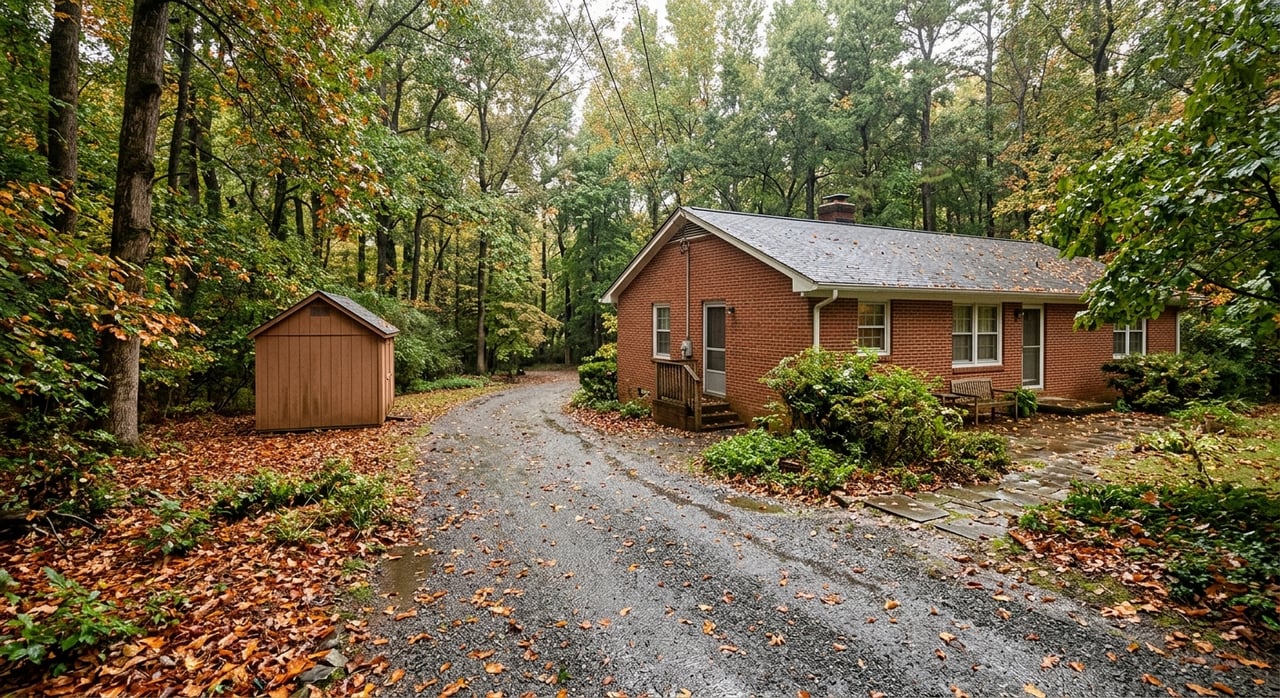
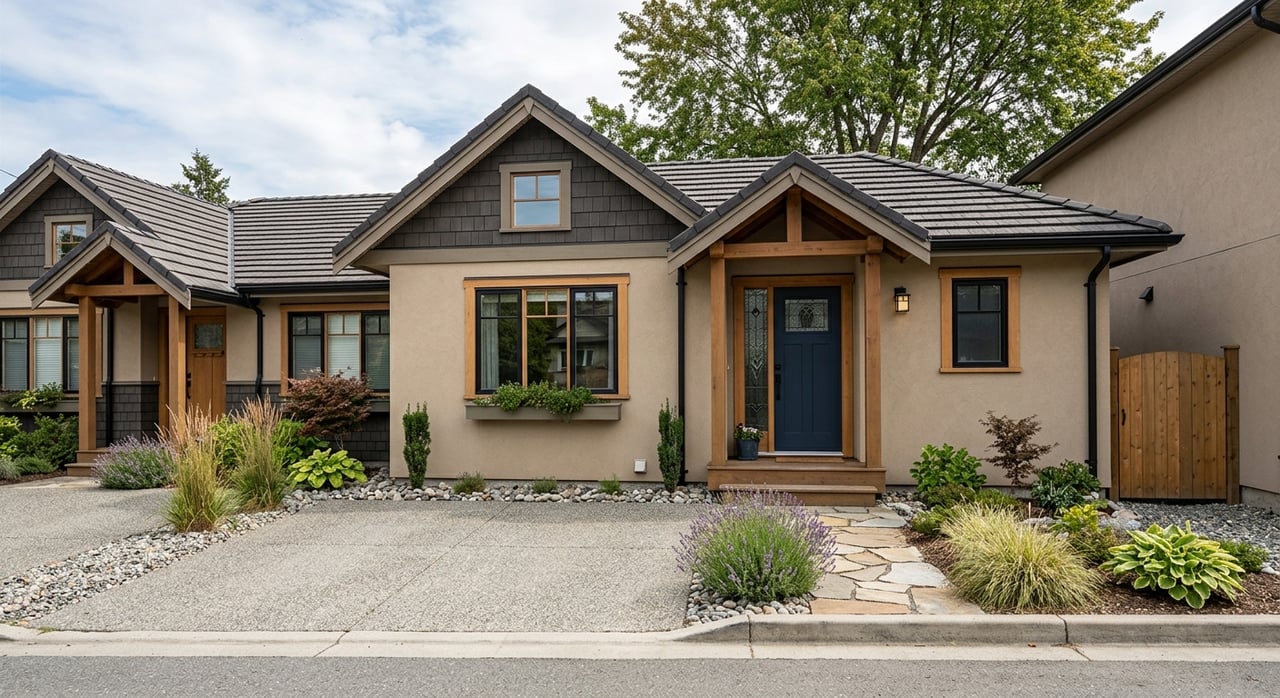
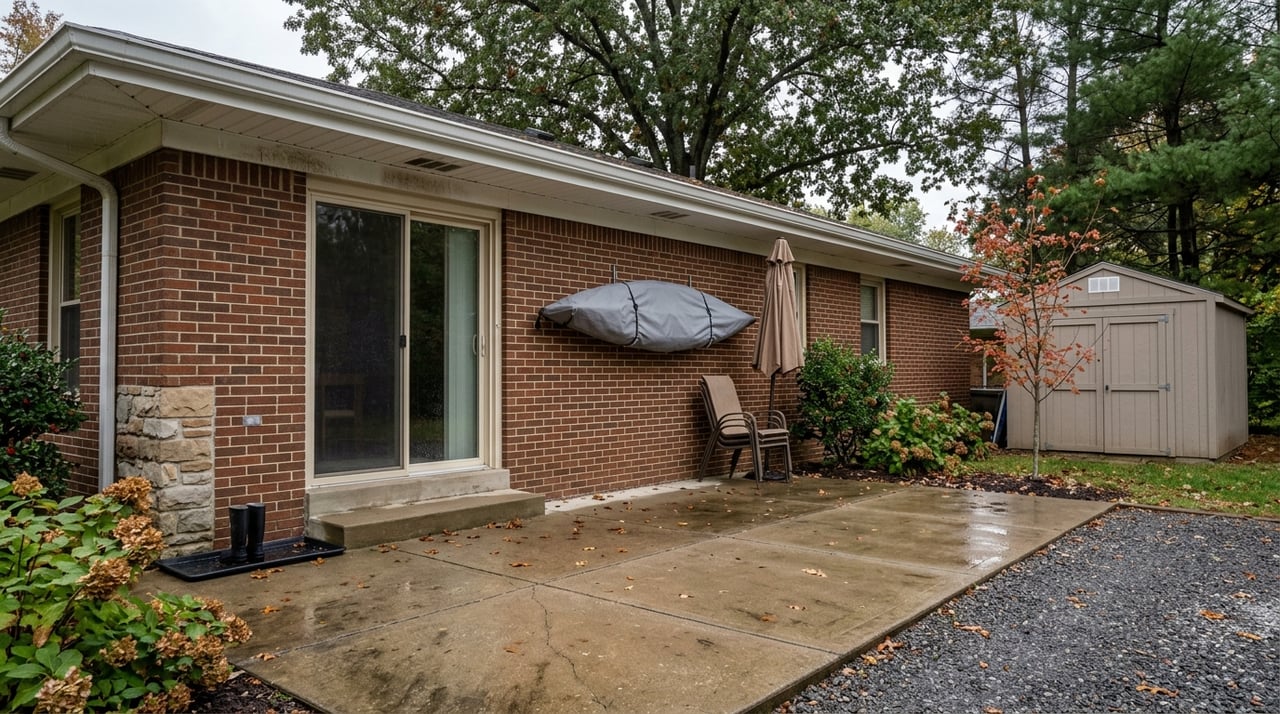
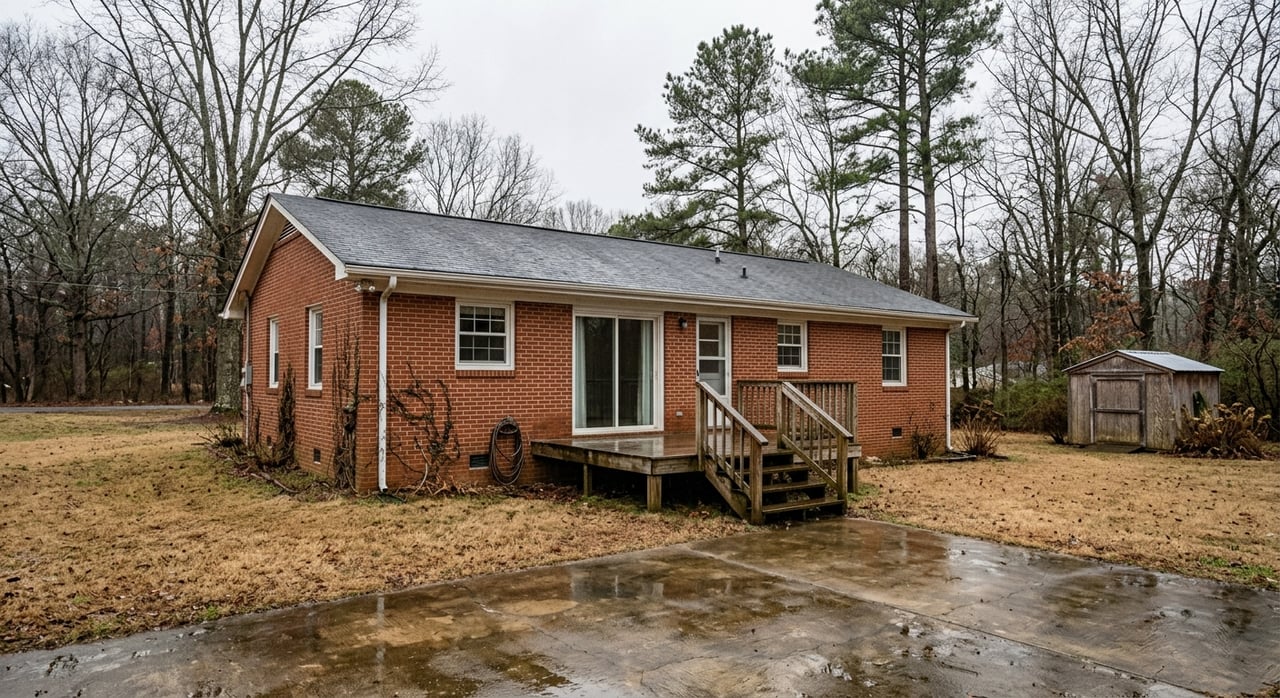
Once you know your price range, you can start touring homes with more focus. In Rainbow City, first-time buyers may find opportunities across modest ranch-style homes, cottages, and other single-family properties in the starter-home range.
Because local pricing can vary from one listing to the next, stay grounded in your budget and priorities. A home that is priced right and presented well may move faster than you expect. At the same time, longer days on market and occasional price drops can create openings on other listings.
What to prioritize when touring homes
Try to separate your must-haves from your nice-to-haves. That can help you act faster when the right home appears.
- Price and estimated monthly payment
- Layout and bedroom or bathroom count
- Condition of major systems and visible upkeep
- Lot size and exterior maintenance needs
- Commute, conveniences, and everyday functionality
Step 4: Make an offer with protections
When you are ready to make an offer, keep your contract terms as important as your price. A strong first-time buyer offer is not just about what you will pay. It is also about protecting yourself if financing or property-condition issues come up.
A smart starting point is to make the offer contingent on financing and a satisfactory inspection. A contingency is a condition that must be met for the sale to move forward. If the inspection finds serious problems and your contract includes that protection, you may be able to cancel without penalty.
In a market like Rainbow City, this balance matters. You want to be competitive, but you also want to make decisions that protect your money and your future home.
Step 5: Schedule the inspection quickly
After your offer is accepted, schedule the home inspection as soon as possible. A home inspection is a professional review of the property’s visible condition. It helps you understand what may need repair now, what may need attention soon, and whether a larger issue could be hiding underneath.
Choose an independent inspector and attend the inspection if you can. Being there gives you a chance to see issues firsthand and ask questions in real time.
Good questions to ask the inspector
Use the inspection period to gather useful, plain-language information. These questions can help:
- What needs to be repaired or replaced right away?
- What may become a problem in the near future?
- Are there signs of a larger issue that needs a specialist?
- Is there anything else I should be concerned about?
A standard inspection does not usually cover everything. Concerns like pests, radon, asbestos, mold, or lead may require specialist inspections if those issues are relevant to the property.
Step 6: Prepare for the appraisal
Your lender will usually require an appraisal, which is an opinion of the home’s value prepared for the lender. This step helps the lender confirm that the property supports the loan amount.
The appraisal timeline can range from a few days to a few weeks. That is one reason the contract-to-closing period can feel longer than buyers expect, even after an offer is accepted.
If the appraisal comes in below the contract price, you may need to renegotiate with the seller or rethink the purchase. In some cases, needed repairs can also affect whether the loan can move forward without changes.
Step 7: Review your Loan Estimate and Closing Disclosure
As your financing moves forward, pay close attention to the paperwork. A Loan Estimate is a form that outlines the estimated costs of your mortgage. Once a lender has the six pieces of information that trigger a mortgage application, that lender generally must provide a Loan Estimate within 3 business days.
Later in the process, you will receive a Closing Disclosure, which is the final summary of your mortgage terms and costs. You must receive it at least 3 business days before closing. That review window is important, so do not wait until the last minute to read it.
What to double-check before closing
Compare your Closing Disclosure to your earlier numbers and ask questions if something changed. Pay close attention to:
- Total monthly payment
- Closing costs
- Cash to close
- Seller credits
- Prepaids
- Escrow-related charges
- Mortgage insurance, if applicable
If something looks different from the Loan Estimate, ask your lender to explain why. That is a normal and important part of the process.
Step 8: Protect your money before closing
The days before closing are busy, and that is exactly why buyers can be targeted by wire fraud. If you receive wiring instructions by email, do not assume they are correct just because they look official.
Verify instructions directly with a trusted contact using a known phone number. Taking a few extra minutes here can help protect your closing funds.
Step 9: Know the local tax and homestead basics
After you buy, there are a few local property-tax details worth knowing in Etowah County. Alabama defines a homestead as a single-family, owner-occupied dwelling and land up to 160 acres. In Etowah County, a regular homestead can be claimed year-round on your principal residence.
Etowah County also lists Homestead Exemption I as a $4,000 assessed-value exemption from state tax and a $2,000 assessed-value exemption from county tax. If the home will be your primary residence, ask what steps are needed to claim the exemption and when it should be filed.
Property tax timing matters too. Etowah County lists taxes as due October 1, delinquent January 1, with tax sale in May.
Step 10: Handle the after-closing checklist
Closing day is a major milestone, but it is not the very end of the process. In Etowah County, buyers should make sure the deed is recorded in the Probate Office and the property is assessed in the Revenue Commissioner’s Office.
It is also important to remember that a tax bill may still show the prior owner’s name even though the tax liability follows the property. That can be confusing if you are a first-time buyer, so it helps to stay organized and confirm each post-closing step is complete.
Why local guidance matters in Rainbow City
First-time buying is easier when you have someone helping you connect the big picture to the local market. In Rainbow City, that means understanding realistic price ranges, knowing when to move quickly, and staying calm through inspections, appraisal, and closing paperwork.
A local, hands-on approach can make the process feel much more manageable. When you know what each step means and what to watch for next, you can make better decisions with less stress.
If you are getting ready to buy your first home in Rainbow City, Bailey Mack can help you understand the local market, navigate each step, and move forward with clear, practical guidance.
FAQs
What price range should first-time buyers expect in Rainbow City?
- Recent local data suggests a practical first-time buyer range in Rainbow City is often in the low-$200,000s to low-$300,000s, depending on the home, condition, and location.
What does preapproval mean for a first-time homebuyer in Rainbow City?
- Preapproval means a lender has made a tentative review of your finances and estimated what you may be able to borrow, but it is not a guaranteed final loan approval.
What is the difference between closing costs and cash to close when buying a home in Alabama?
- Closing costs are the fees tied to getting the loan and transferring ownership, while cash to close is the total amount you actually need to bring at closing after adjustments.
What should a first-time buyer include in an offer on a Rainbow City home?
- A buyer should strongly consider protections like a financing contingency and an inspection contingency so there is a path to cancel or renegotiate if major issues come up.
How long does the appraisal process take when buying a home in Rainbow City?
- The appraisal process typically takes anywhere from a few days to a few weeks, depending on timing and lender workflow.
What should buyers review on the Closing Disclosure before closing?
- Buyers should review the total monthly payment, closing costs, cash to close, seller credits, prepaids, escrow charges, and mortgage insurance if it applies.
What homestead benefit should a new homeowner ask about in Etowah County?
- If the home is your principal residence, ask about the regular homestead claim and Homestead Exemption I, which Etowah County lists as a state and county assessed-value exemption.
What happens after closing on a home in Etowah County?
- After closing, make sure the deed is recorded in the Probate Office, the property is assessed in the Revenue Commissioner’s Office, and you understand the local property tax schedule.