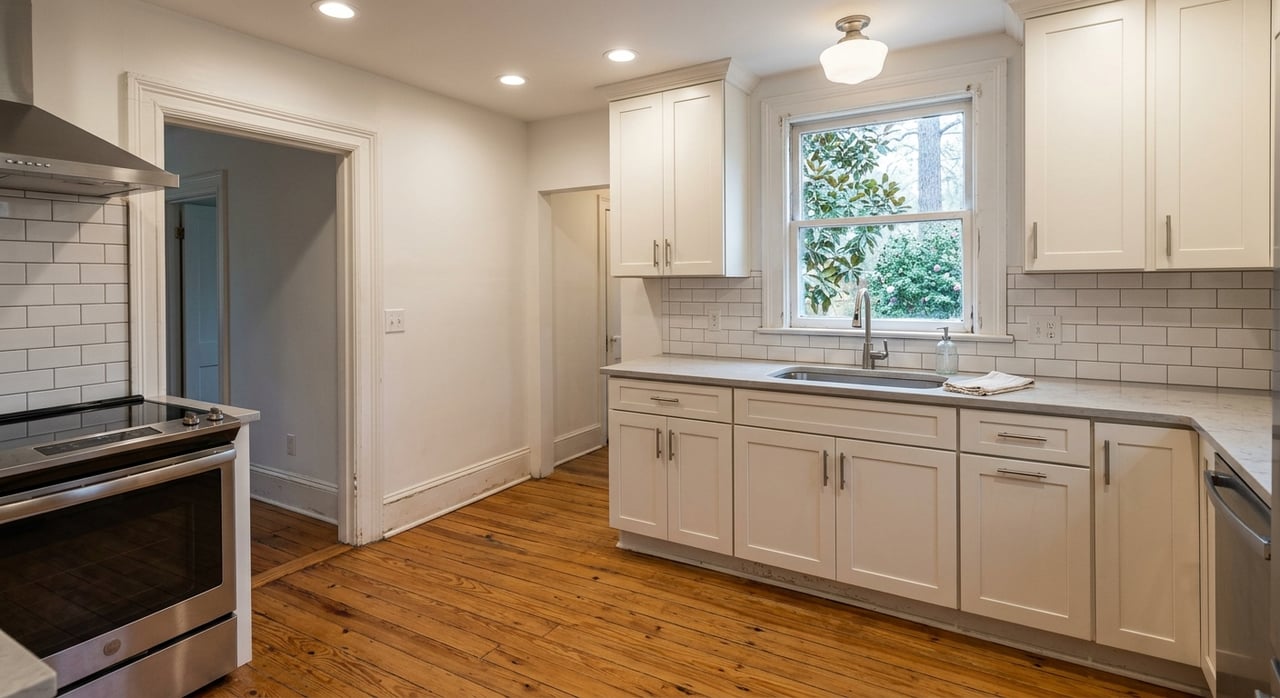
Curious whether a historic home in Anniston is a charming opportunity or a future to-do list that never ends? If you are drawn to older architecture, original details, and the story behind a house, you are not alone. The good news is that with the right local guidance, you can better understand what gives these homes their appeal, which upgrades matter most, and how condition and preservation can shape value. Let’s dive in.
Why Anniston Has So Many Historic Homes
Anniston’s historic housing stock is tied closely to the city’s early growth. Founded in 1872 as a private iron company town and opened to the public in 1883, Anniston developed many of its older homes in the late 19th and early 20th centuries.
That history still shows up in the city’s neighborhoods today. Anniston identifies four local historic districts: Downtown Anniston, West 15th Street, Tyler Hill, and Historic Buckner Circle. If you are shopping for an older home here, location matters because a property inside one of these districts may come with additional review for exterior changes.
What Historic District Rules Mean
If a home is located in one of Anniston’s local historic districts, exterior work that changes the home’s appearance generally requires a Certificate of Appropriateness, often called a COA. This can apply to additions, alterations, rehabilitation, restoration, relocation, demolition, signage, and even some material or color changes.
That does not mean every repair becomes complicated. Anniston’s ordinance notes that routine preventative maintenance, such as certain roof leak repairs, may not require a COA. The city’s standards are tied to the Secretary of the Interior’s Standards for Rehabilitation, and Anniston also keeps an approved historic paint color palette for district buildings.
For you as a buyer or seller, the practical takeaway is simple: always confirm whether a home sits inside a local historic district before planning exterior updates. That one step can save time, money, and frustration later.
Architectural Styles You’ll See in Anniston
Anniston’s historic homes are not all one look. One of the clearest examples is Tyler Hill, which Anniston describes as a relatively intact neighborhood of spacious late-19th- and early-20th-century houses, with many contributing structures in the Victorian category.
Within that broader Victorian label, you may see Queen Anne, Eastlake, Richardsonian, and Chateauesque elements. Tyler Hill is also known for broad lawns, tall trees, informal landscaping, and sidewalks, which help define the area’s historic setting.
Across Anniston more broadly, the style mix expands. Citywide documentation describes homes ranging from Victorian houses in Tyler Hill to Colonial Revival and Tudor Revival homes in early-20th-century neighborhoods.
Other historic residential areas in Anniston include examples of Italian Renaissance, Moderne, Classical Revival, Dutch Colonial Revival, and Craftsman architecture. That variety is part of what makes older homes here so interesting for buyers who want something with personality.
Features That Hold Historic Character
When you tour a historic home in Anniston, some details matter more than others. Common character-defining features include asymmetrical massing, towers, bay windows, wraparound porches, original wood trim, cornices, dormers, and exterior materials such as brick, clapboard, stucco, and tile.
Anniston’s design guidelines place strong emphasis on retaining features like porches, columns, railings, balusters, roof shapes, trim, and cornices. These are often the details that give a home its visual identity and support long-term appeal.
For buyers, that means the value of an older home is not just about square footage or finishes. Original architectural details can play a major role in how the property is perceived and maintained over time.
Which Upgrades Matter Most
It is easy to focus on updated kitchens and bathrooms, but in a historic home, the most important upgrades are often the ones you do not see right away. In Anniston, city building resources separate inspections for building, electrical, plumbing, and mechanical work, which highlights how important these systems are in older houses.
Before you get distracted by paint colors or countertops, pay close attention to these big-ticket items:
- Roof condition
- Electrical system updates
- Plumbing condition and materials
- HVAC age and performance
- Foundation and structural concerns
- Masonry condition
- Window performance and condition
These items can have a major effect on cost, comfort, and your renovation plans. A beautifully preserved porch is a great feature, but it does not replace the need for safe wiring and a reliable HVAC system.
Repairs Versus Replacements
With historic homes, the goal is often repair before replacement. Anniston’s guidelines favor fixing original materials when possible instead of removing them and installing modern substitutes that change the home’s appearance.
The guidelines discourage enclosing front porches that are visible from the street, adding vinyl or aluminum siding over historic material, changing primary roof forms, and painting unpainted masonry. If masonry needs repointing, the mortar should be compatible with the original brick or stone.
This matters because not all upgrades improve value equally. In a historic setting, work that preserves the home’s original character is often more appealing than changes that make the house look out of place.
What to Know About Historic Windows
Windows are one of the biggest decision points in older homes. If original windows show wear, it can be tempting to assume full replacement is the only answer, but preservation guidance takes a more careful approach.
National Park Service guidance says deteriorated historic features should be repaired rather than replaced when possible. If replacement is necessary, the new feature should match the old one in design, color, texture, and other visual qualities.
There is also room for efficiency improvements without automatically removing historic windows. Guidance cited in the research notes that air sealing, storm windows, and other energy-saving measures can improve comfort while helping preserve original features.
For you, that means window decisions should balance comfort, maintenance needs, and architectural character. It is rarely a one-size-fits-all choice.
How Upgrades Affect Value
In Anniston, historic home value usually comes down to a mix of location, condition, architectural integrity, and the quality of upgrades. A home that keeps its original character while improving key systems may have stronger buyer appeal than one with flashy finishes but compromised historic details.
Local and state preservation materials also frame historic preservation as part of Anniston’s educational, economic, and cultural welfare. In practical terms, compatibility with the surrounding historic setting can support appeal and maintainability over time.
That does not mean every older home needs to be restored to museum standards. It means buyers and sellers should think carefully about whether updates were done in a way that respects the home’s design and fits the district if one applies.
Tax Credit Facts to Know
Historic property incentives can matter, but they are often misunderstood. In Alabama, the Alabama Historical Commission says the state historic rehabilitation credit is a 25% refundable credit for qualifying income-producing historic properties that are listed in or eligible for the National Register and are at least 75 years old.
The same source notes that the federal historic rehabilitation credit is 20% and applies only to income-producing certified historic structures, not owner-occupied residences. The Alabama Historical Commission also notes that owner-occupied historic homes are already assessed at the lowest ad valorem tax rate in Alabama.
The key word here is qualifying. If you are considering a historic property for investment or mixed-use purposes, it is worth confirming whether the property meets these requirements before building those credits into your budget.
Inspections You Should Prioritize
Older homes deserve a closer look during due diligence. A standard home inspection is a good starting point, but historic properties often benefit from specialists when concerns appear.
In Anniston, the most useful checklist often includes:
- General home inspection
- Roof inspection
- Foundation or structural review
- Masonry evaluation
- Electrical inspection
- Plumbing inspection
- HVAC inspection
- Lead-based paint evaluation when appropriate
Lead is especially important to keep on your radar in older homes. The EPA says homes built before 1978 may contain lead-based paint, and it reports that 87% of homes built before 1940 have some lead-based paint. For buying or renovating, the EPA recommends using a certified lead-based paint inspector or risk assessor and following lead-safe work practices.
A Smart Way to Buy or Sell a Historic Home
If you are buying a historic home in Anniston, try to look at the property in two layers. First, evaluate the charm and character you can see, like porches, trim, rooflines, windows, and materials. Then, evaluate the systems and maintenance items you cannot fully judge at first glance, like wiring, plumbing, HVAC, masonry, and roof condition.
If you are selling, it helps to understand that buyers will likely weigh both layers too. Clear information about inspections, past upgrades, and maintenance history can make a historic home feel more manageable and reduce uncertainty.
Historic homes in Anniston can offer architectural detail and personality that newer homes often cannot match. When you pair that charm with thoughtful upgrades and solid due diligence, you can make a more confident decision about both livability and long-term value.
If you are thinking about buying or selling a historic home in Anniston, Bailey Mack can help you evaluate the property, understand the local context, and make a smart next move with clear, responsive guidance.
FAQs
What makes a home historic in Anniston?
- In Anniston, many historic homes date to the late 19th and early 20th centuries, and some are located in local historic districts such as Downtown Anniston, West 15th Street, Tyler Hill, and Historic Buckner Circle.
What is a Certificate of Appropriateness for Anniston historic homes?
- A Certificate of Appropriateness, or COA, is city approval that is generally required for exterior work in a local historic district when the work changes the property’s appearance.
What architectural styles appear in Anniston historic neighborhoods?
- Anniston historic homes include Victorian, Queen Anne, Eastlake, Richardsonian, Chateauesque, Colonial Revival, Tudor Revival, Italian Renaissance, Moderne, Classical Revival, Dutch Colonial Revival, and Craftsman examples.
Which upgrades matter most in an Anniston historic home?
- The most important upgrades are often roof, electrical, plumbing, HVAC, foundation, masonry, and window condition because these systems strongly affect safety, comfort, and future costs.
Can you replace windows in a historic home in Anniston?
- You may be able to replace windows depending on the home and location, but guidance generally favors repair first and recommends that any necessary replacement match the original design and appearance.
Do Anniston historic homes qualify for Alabama tax credits?
- Some do, but the Alabama historic rehabilitation credit applies to qualifying income-producing properties that are at least 75 years old and listed in or eligible for the National Register, not typical owner-occupied residences.
Should you get special inspections for an older home in Anniston?
- Yes, in addition to a standard home inspection, you may want specialists for roof, foundation, masonry, electrical, plumbing, HVAC, and lead-based paint depending on the property’s age and condition.