Thinking about upsizing but worried the drive from Arab to Huntsville will outweigh the extra space? You are not alone. Many move-up buyers compare larger lots and a small-town feel in Arab with the convenience of living closer to Huntsville jobs. In this guide, you will see the real commute picture, housing options, cost trade-offs, and a practical checklist so you can decide with confidence. Let’s dive in.
Commute from Arab to Huntsville
If you live in Arab and work in Huntsville or Madison, you will most likely drive. The primary route is US‑231 northbound, with your exact time shaped by where you work, the hour you leave, and weather or incidents. Many commuters experience roughly 40 to 60 minutes one way. Expect variability and test your specific address and departure times using a maps app.
Routes and choke points
Much of US‑231 between Arab and Huntsville runs through rural segments, with two lanes in places. That can make the drive sensitive to slow vehicles and incidents. The final miles into Huntsville often matter most for total time, especially near I‑565, Memorial Parkway, Governor’s Drive, and other major arterials. Your destination, such as Cummings Research Park or Redstone Arsenal, will change your last‑mile pattern and total time.
Peak vs. off‑peak travel
- Leaving Arab during the morning peak and returning during the late afternoon peak usually adds time.
- Shifting your schedule earlier or later often trims minutes from the drive.
- Hybrid, flex, or compressed workweeks can make the Arab option far more workable.
- Keep in mind that special events, school calendars, and weather can affect travel time.
Alternatives and commute mitigation
Most commuters will rely on a personal vehicle. That said, a few strategies can help:
- Check with your employer about vanpools or shuttle support, especially if you work at Redstone or in Cummings Research Park.
- Carpooling can reduce costs and stress. Park‑and‑ride options are limited outside urban areas, so plan meeting spots with your carpool.
- Telework days or occasional rideshare can supplement your routine and reduce weekly mileage.
Safety and winter weather
Rural two‑lane stretches can be more vulnerable to slowdowns from incidents and seasonal weather. Give yourself extra time during heavy rain, fog, or wind. In rare snow or ice events, assume travel on US‑231 will require caution and advance planning.
Housing in Arab: more space for your budget
Arab offers a small‑city pace with a housing mix that appeals to move‑up buyers who want more indoor and outdoor space. The market is largely single‑family, and you will find a broader selection of homes with bigger lots than many neighborhoods closer to Huntsville.
What you will find
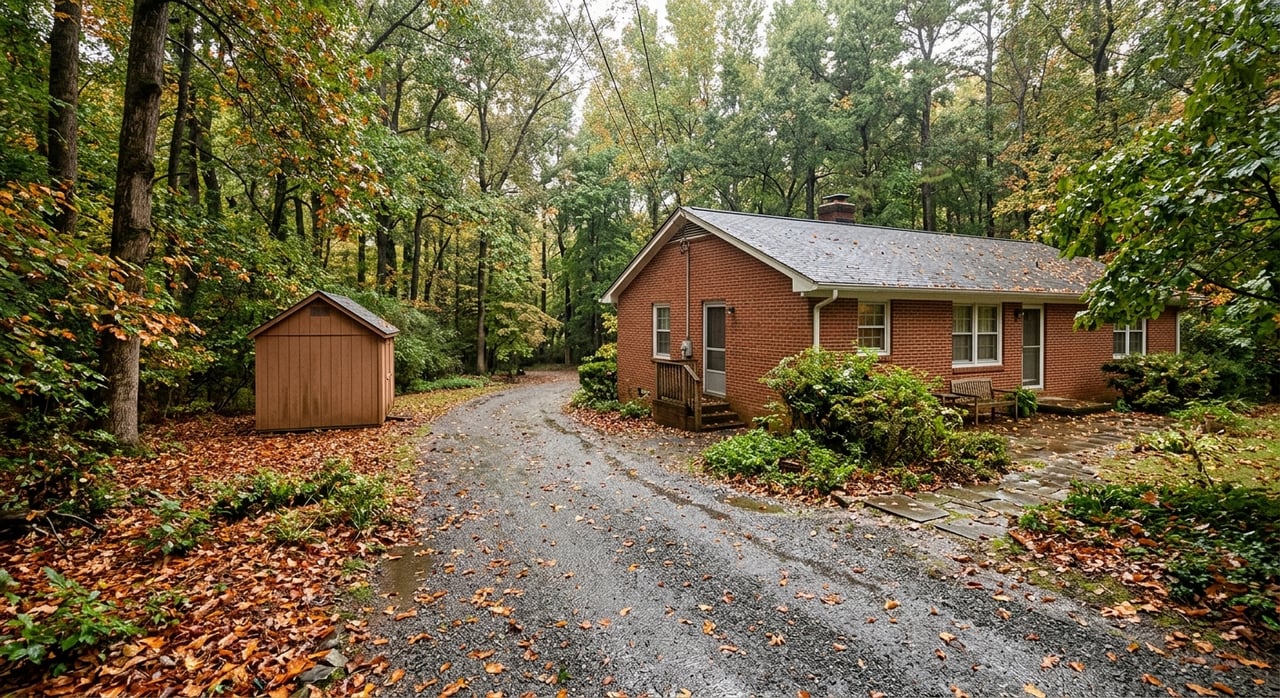
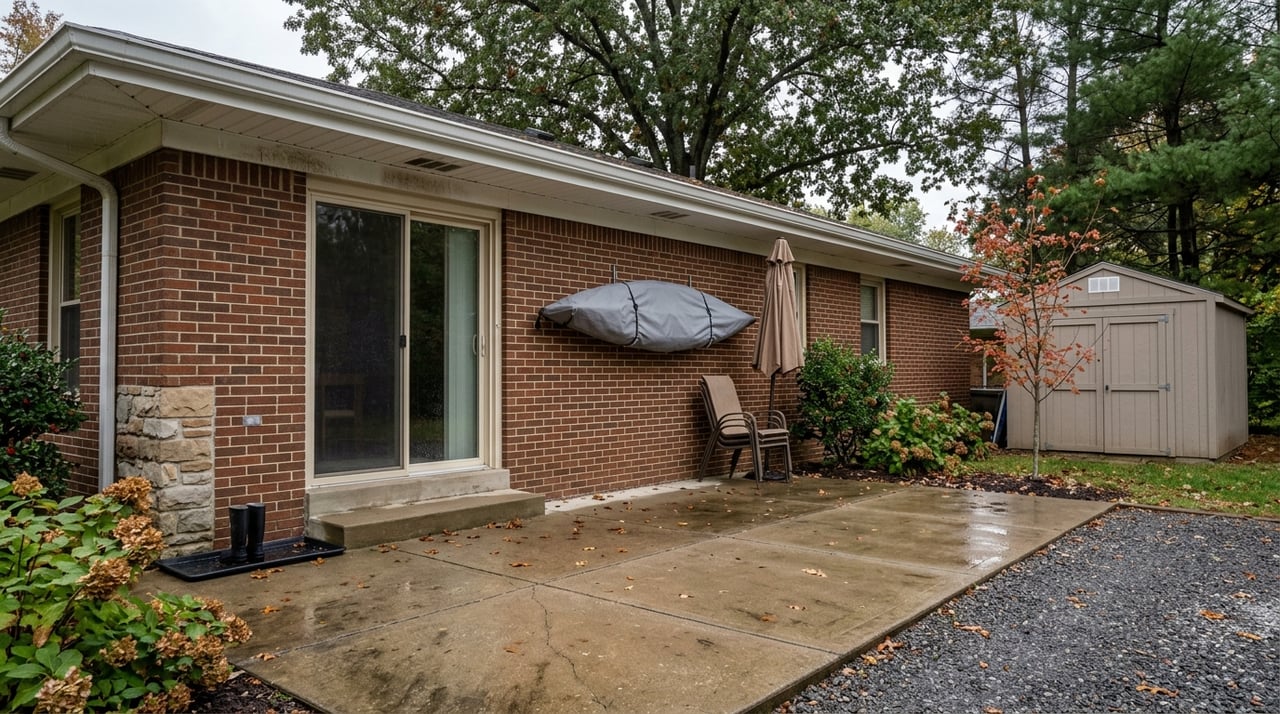
- Established neighborhoods with ranch and split‑level homes from the 1960s through the 1990s. These often sit on larger lots and may offer value if you are open to updating.
- Newer subdivisions with 3 to 5+ bedroom homes. Lot sizes vary from subdivision‑style parcels to larger homesites in certain developments.
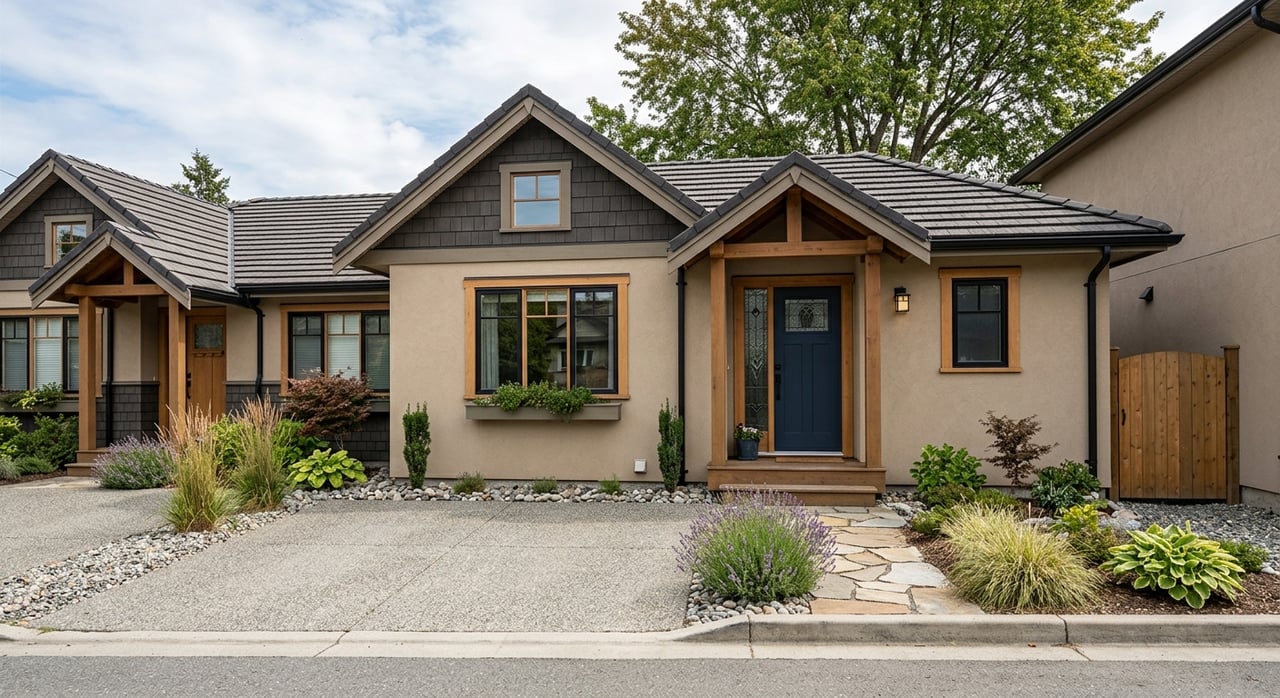
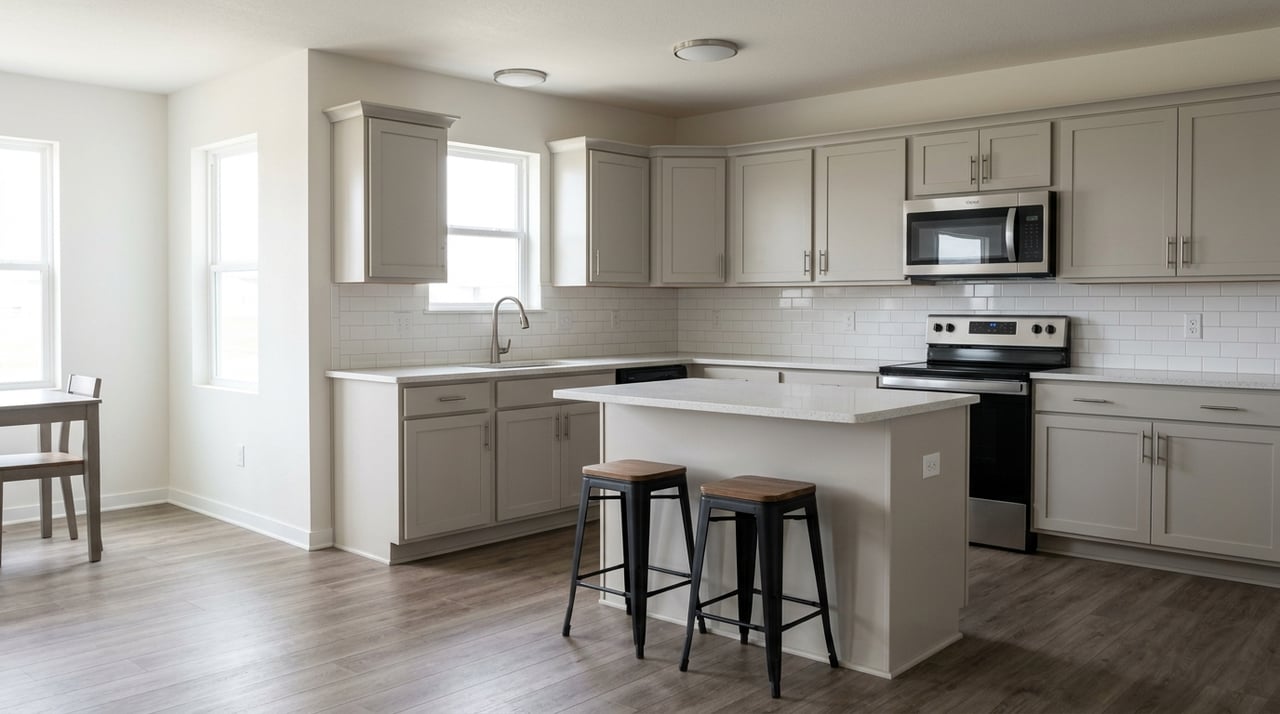
- New construction and custom builds by local and regional builders. Expect modern floor plans, open living areas, and options to personalize finishes.
- Rural parcels and acreage if you want privacy, a hobby farm, or room for outbuildings.
- Townhomes and condos are limited compared with Huntsville. Single‑family dominates.
The value proposition
Buyers often find more square footage and larger lots per dollar in Arab compared with many Madison County neighborhoods. The exact price comparison changes with market conditions, so review current MLS data and recent sales to confirm today’s spread. The right comp set will help you weigh a home’s size, age, lot, and finish level against options nearer Huntsville.
New builds: timelines, utilities, and HOAs
Local builders may have different lead times than national production builders. Your timeline will depend on lot availability, permitting, and selections. Confirm utility types upfront. Some areas are on municipal water and sewer, while others rely on well and septic. Ask about HOA rules and fees if you are considering a subdivision; many neighborhoods have HOAs, and many do not.
What to verify before you buy
- Utility availability and providers for water, sewer or septic, electric, gas, and broadband.
- Septic age, size, and pump history if the property is not on sewer.
- HOA covenants, fees, and restrictions when applicable.
- Builder reputation, warranty coverage, and expected completion timelines for new construction.
- Lot drainage, grading, and any floodplain questions.
Cost of living and running costs
When you compare Arab with Huntsville or Madison, think beyond the purchase price. Your decision should balance home value against ongoing costs from a longer commute and potential rural utilities.
Commuting costs
A longer daily drive means more fuel and vehicle wear each year. Add the value of your time and any parking costs into the mix. If you can telework a few days per week or align work hours with off‑peak travel, the total weekly cost and stress can drop.
Property taxes and insurance
Alabama property tax rates are generally lower than many states, but millage rates vary by county and city. Check the Marshall County and City of Arab rates for a realistic annual estimate and compare with Madison County locations you are considering. For insurance, rural homes can see differences in premiums due to distance to fire services or regional wind and tornado exposure. A quick quote from a local agent will clarify the numbers.
Utilities and broadband
Utility setup can affect both cost and convenience:
- Water and sewer vs. well and septic: Septic systems require periodic pumping and maintenance. Ask for service records.
- Heating fuel: Some rural homes use electric, natural gas, or propane. Seasonal costs vary by source and insulation.
- Broadband: Service quality and speeds differ by address. If you need reliable video calls, confirm provider options and upload speeds before you write an offer.
Lifestyle and amenities
Choosing Arab is about lifestyle as much as square footage. You trade a longer drive for small‑town character, community events, and easier access to outdoor recreation.
What Arab offers
You will find a lower‑density setting, local shops and services, and community traditions that give the city its appeal. Outdoor lovers appreciate proximity to the Lake Guntersville area and rural landscapes. Many buyers enjoy larger yards for pets, gardens, and weekend projects.
What Huntsville offers nearby
Huntsville is the region’s employment hub with major hospitals, specialty healthcare, cultural venues, and a wide range of dining and shopping. Living in Arab means a longer drive for some of these amenities, so plan your schedule for errands and appointments.
Schools
Arab is served by Arab City Schools. School boundaries and performance data can influence resale for some buyers, so verify the assigned schools for any address and review recent state report cards. Use neutral, factual sources to decide if the schools meet your priorities.
Healthcare and services
Arab has local clinics and everyday services. For specialty care, surgeries, or major hospital services, many residents travel to Huntsville. Factor this into your weekly planning, especially if frequent visits are likely.
Recreation and community life
Look for parks, community centers, and seasonal events that fit your lifestyle. The area’s festivals and local gatherings can be a big part of the small‑town feel. If weekend water time is your thing, the nearby lakes and trails are a major plus.
Resale considerations
Being farther from Huntsville can narrow the buyer pool to those who value space, privacy, or hybrid work flexibility. On the other hand, the appeal of larger lots and family‑friendly layouts may offset distance for many move‑up buyers. Watch neighborhood turnover and days on market to gauge demand.
Is Arab a smart move‑up for you?
Arab can be a great fit if you want more room, a quieter setting, and you can manage the commute with your schedule. It is especially attractive if you value a yard, a workshop, or the freedom to spread out. If daily rush‑hour driving is a deal‑breaker, consider hybrid work or target a Huntsville‑area home with a smaller lot.
Pros
- More space and larger lots for your budget
- Small‑town character and community feel
- Strong selection of single‑family homes and new‑build options
- Access to outdoor recreation and rural settings
Cons
- Longer daily commute with variable travel time
- Higher annual auto and fuel costs
- Possible septic maintenance or different utility setups
- Limited townhome/condo choices compared with Huntsville
- Rural addresses can see longer emergency response times
Your next steps
Use this simple checklist to compare specific homes and avoid surprises:
- Test the route: Drive or map your commute from the exact address to your worksite at peak times.
- Review US‑231 conditions and seasonal patterns; note last‑mile choke points into Huntsville.
- Confirm utilities: water, sewer or septic, electric, gas, and broadband providers and speeds at the address.
- Get septic inspection records and pumping history if applicable.
- Look up local property taxes and compare to your Madison County options.
- Check HOA rules and fees if the neighborhood has an association.
- For new builds, verify builder reputation, warranty, and timeline; walk the lot for grading and drainage.
- Check FEMA flood maps for any floodplain questions.
- Verify assigned schools and review neutral performance data.
- Ask your insurance agent about premiums based on distance to fire services and regional risks.
Ready to weigh homes in Arab against options closer to Huntsville? Let’s compare real commute times, utilities, and lot sizes side by side so you can move up with confidence. Reach out to Bailey Mack for a friendly, no‑pressure consultation and local guidance tailored to your goals.
FAQs
How long is the commute from Arab to Huntsville during rush hour?
- Many commuters see roughly 40 to 60 minutes one way, but time varies by your exact origin, destination, and departure; test your route at peak.
Will I get more house for my money in Arab compared with Madison County?
- Often yes, with more square footage and larger lots per dollar, but confirm with current MLS comps for the neighborhoods you are considering.
What hidden costs should Arab commuters budget for beyond the mortgage?
- Fuel and vehicle wear from longer mileage, the value of your time, possible septic maintenance, potential insurance differences, and broadband plan costs.
Is broadband reliable in Arab for remote or hybrid work?
- Service varies by address; verify providers and speeds at the property to ensure your upload and download needs are met.
Are Arab City Schools considered strong for resale and families?
- The district serves Arab; review current state report cards and school boundary maps to see if assignments and performance align with your priorities.